Note: As an Amazon Associate I earn money from qualifying purchases made using the advertising links on this page.
Showing posts with label travel health. Show all posts

Sunday, February 28, 2016

Protecting yourself & your kids from mosquitoes


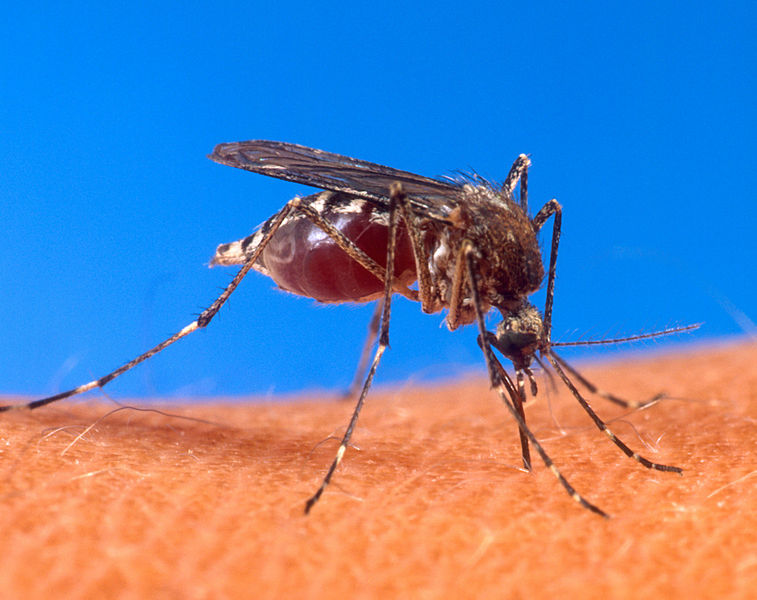
There has been a lot of talk in the media and elsewhere about the mosquito-borne Zika virus. The virus is currently known to circulate in Africa, the Americas, Asia, and the Pacific, and it is carried by one specific kind of mosquito.

Here are some key facts from the WHO about the Zika virus:

  • Zika virus disease is caused by a virus transmitted by Aedes mosquitoes.
  • People with Zika virus disease usually have symptoms that can include mild fever, skin rashes, conjunctivitis, muscle and joint pain, malaise or headache. These symptoms normally last for 2-7 days.
  • There is no specific treatment or vaccine currently available.
  • The best form of prevention is protection against mosquito bites.
  • The virus is known to circulate in Africa, the Americas, Asia and the Pacific.
While the Zika virus is the one getting the most attention recently, there are many diseases that are transmitted by mosquitoes, including malaria. This is list is from the organization AMCA at their website mosquito.org:
If you are traveling anywhere where these mosquito-borne illnesses are present, you should speak with your doctor about how to protect yourself, and possible vaccines you should be aware of before heading out on your trip.

It's always a good idea to protect yourself and your children from mosquitoes: if only to avoid getting itchy and annoying mosquito bites. The three key words are: avoid, repel, treat. Avoid getting bitten, repel the mosquitoes, and treat the bites.


1. Avoid.
You can avoid getting bitten by mosquitoes by wearing clothing that covers your skin (light coloured clothing is said to be best for this purpose), and by using mosquito netting for beds, playpens, and strollers.

Use a net to cover your baby when they're in the stroller or sleeping in a crib. Covering up to avoid getting bitten is also a simple solution (though it can be a challenge if it's hot), and there are even special brands of light-weight clothing that helps keep the bugs away. For example:


2. Repel
Using mosquito repellent is a must if you're in mosquito-filled areas. Even when we're visiting Sweden in the summer (where we worry more about itchy bites than diseases), repellents are a must if we're heading into the woods. For babies and young children, you do want to pick and choose which repellents you use: certain chemicals - especially DEET - should be avoided, especially for very young kids.

There are mosquito-repellent bracelets you can use, but I haven't had much luck with these myself. Maybe my blood is just too delicious!

 
3. Treat
If you do get bitten, a bit of relief is always nice. I've been using After Bite since the kids were babies, and I really like their products. Here are some other products that can help stop that itch:

Wednesday, January 20, 2016

Sun-screen & coral reefs - protecting kids & the environment


Last year, a scientific study released last year showed that oxybenzone, a common ingredient in sunscreen, can damage coral reefs. To quote a report on the study:
The researchers found that oxybenzone, a common UV-filtering compound, is in high concentrations in the waters around the more popular coral reefs in Hawaii, and the Caribbean. The chemical not only kills the coral, it causes DNA damage in adults and deforms the DNA in coral in the larval stage, making it unlikely they can develop properly. The highest concentrations of oxybenzone were found in reefs most popular with tourists.
And:
Cells from seven species of corals were killed by oxybenzone at concentrations similar to those detected in ocean water samples. Three of the species that the researchers tested are currently listed as threatened under the US Endangered Species Act.
This is bad news for the environment. Coral reefs around the world are threatened by many things: development, fishing practices, and pollution - including, it seems, oxybenzone.

Anyone who has gone swimming, snorkeling or diving with or without kids in places like Hawaii, the Caribbean, Australia, and elsewhere knows that coral reefs are home to a mind-boggling number and variety of sea-life. Protecting coral reefs, while also protecting ourselves and our kids from the sun, is an important task. 

So what do you do if you want to enjoy the ocean, and the coral reefs, without killing or damaging them?


1. Use clothing to cover up, even in the water.
Rashguards are a great for both kids and adults to wear at the beach. For my kids, I like the ones that are long-sleeved, or at least 3/4 sleeves, and preferably with a little collar around the neck for extra protection.


2. Use sun-screens without oxybenzone.
Sunscreens with titanium oxide or zinc oxide do not damage coral, and I'm thinking there will be a lot more "coral friendly" sunscreens on the market soon.


3. Find some shade
Even if you're not going in the water, sun-screen residue can still end up in the water, through run-off and sewers. This means that avoiding sunscreen products with oxybenzone even if you're just hanging on the beach is probably a good idea. Some ways to reduce the need for sunscreen is to use hats, cover-ups, parasols, beach umbrellas and beach-tents for shade and sun-protection.

Tuesday, February 5, 2013

Flying with kids - what if you're sick?

One of my greatest fears while flying with my kids, is that one of us (or more than one...) will get sick while we're traveling. Flying can be quite stressful enough without the added complication of not feeling well.

Sometimes, you might even be getting on a plane knowing you're not feeling 100%. Is this an ideal situation? Certainly not, but rescheduling a flight can be difficult and expensive. Most people who fly a lot have probably ended up on a plane at some point, when they should have been home in bed.

So how sick is too sick to fly? Well, if you or your child is running a high fever, throwing up, or suffering from diarrhea, you should probably not fly. Same thing if you're heavily congested: the change in cabin pressure during a flight can make that absolutely excruciating (I did it once, and it was torture). The CDC (The Centers for Disease Control and Prevention) in the US has some information on their website, though they don't exactly list specifics on when you should or should not fly.

My experience
I've traveled on a plane when I was severely congested and running a fever. This was before I had kids and it was terrible. I did not have any decongestants with me on this trip either and was sure my head would explode when the plane went in for landing.

Occasionally we have traveled when my children have had "sniffles", meaning no fever, no real signs of illness except a runny nose. On these occasions, I make extra sure that I bring some child-decongestants on the trip.

I've also traveled with my kids when they've had upset stomachs, though in these cases, the stomach-upsets occurred when we were already on the plane. Having a child throw up while in their seat is not a great experience for anyone. This is when a change of clothes, antibacterial wet-wipes, and some anti-nausea medication comes in very handy. Frequent toilet visits because of diarrhea on the plane is also not a lot of fun, and again: antibacterial wet-wipes and a change (or two!) of clothes can be a real life-saver.

As a precaution, I always bring a small bag of "medical items" on board when I fly, and every time I hope I won't have to use any of the stuff I bring. Usually I haven't had to use anything, but when it's needed, it's really needed.

3 essential items:


1. Decongestants
Don't fly without this in your carryon, because the ear- and sinus-pain that can occur on a plane if you're congested is terrible. Make sure you bring something that works for kids as well. Ask your doctor or pharmacist for advice. I personally bring a nose-spray for kids, a small container of Vapo-Rub, and a liquid decongestant for children as well. (Plus an adult decongestant in tablet-form.)
A crazy-sounding tip that actually works: rubbing VapoRub on your feet (so you don't have to smell it if you're sensitive to that), and then putting socks on is a great way to relieve sinus pressure and relieve coughing. I wouldn't have believed it myself, but it has worked for me on several occasions off-plane.


2. Pain- and fever-relief
This is another must-have item for you and your kids. If someone is sick, or gets sick on board, this can really help make your flight bearable. I bring Aspirin for myself, and usually liquid Tylenol for the kids. Again, ask a doctor or pharmacist for advice if you have any worries or questions.


3. Anti-nausea medication
Even if your kids don't actually have stomach bug, they might feel queasy and get upset stomachs just from being on a plane: anxiety and the changes in pressure, combined with sitting down for a long period of time can do that. I usually bring along some kids' Gravol on our flights. I've had to use it once for my daughter and another time, I let a fellow passenger use it because her daughter was throwing up on a flight. In both cases, I was very glad I had brought it along.

Additional items:
  • Any prescription medication you or your child needs (bring prescriptions or doctor's note with you to avoid any problems in security)
  • Allergy medication - if you or your child have allergies, this is also a very necessary item to bring along.
  • Bandaids and a small tube of antibiotic or antiseptic ointment for small cuts and injuries

Thursday, December 13, 2012

Gift tip for kids - educational, funny, snuggable germs


This post is not really about a travel related item, though it is certainly something that could fit easily into your hand-luggage. I'm talking about Giant Microbes, a stuffed critter with a difference. To quote the website:
GIANTmicrobes® are stuffed animals that look like tiny microbes — only a million times actual size! They're humorous, educational, and fun!

Each of our GIANTmicrobes® comes with an image and information about the real microbe it represents. They make great learning tools, as well as amusing gifts for anyone with a sense of humor.
You can buy plush and cuddly versions of stem cells, brain cells, the germs that cause the flu, the common cold, ear ache, cholera, plague, and more. At first it sounds kind of icky, but it's also rather hilarious. My 5 year old is an avid stuffed critter lover and has three already: ear ache, mad cow disease and a stem cell. She LOVES them.

I'm plugging them here today because I think they are unique, funny, well-made and have educational value as well. Talking about cells, germs and various microbes with kids becomes a lot more real when you can show them what these things look like (minus the plush fabric and the eyes!).

So there you go. Just a small tip and recommendation for someone you love this holiday season: get them some germs.

Friday, July 6, 2012

Flying with kids - staying healthy on board

Long flights are tough on the body and the mind, especially if you're traveling in Economy class, and even more so if you're traveling with young children. Most people are aware that airplanes are a great place to catch any number of flus, colds and other ailments. Cramped quarters, recycled air, small bathrooms used by a multitude of people... it all adds up to germs, germs, and more germs.

Also, it's very easy to start feeling poorly while you're in the air: sitting still for long periods of time at high altitude alone can make you feel sick.

There are ways you can reduce your chances of feeling sick on board, and of catching colds and flus as well. Here are my top 5 tips for feeling better and staying healthier on board.

1. Use a hand sanitizer
This simple step has definitely made a difference for my family. Since I started using antibacterial hand-wipes and hand-sanitizing gel on my own hands and my kids' hands during flights and at the airport, we are not getting sick as frequently after our long-haul flights. I use it before any meal, and of course after every bathroom visit. I also use the wipes on the tray-table. Tip! Gels and sprays do count as liquids and will have to fit in your ziploc bag for liquids. Wet-wipes do not count as liquids, which makes them a good option on flights.

2. Drink plenty of fluids on board
Being on a plane dehydrates you. Drink water and juice to feel better and avoid some of the fatigue and headaches otherwise. Also make sure your children are getting enough to drink. I know some people enjoy having wine, beer or a drink on board, but I have to say that for myself, I find that those things just do not taste as good in the air as they do once I reach my destination!

3. Move around
Sitting still in a cramped airplane seat for hours and hours is very hard on the body. Get up and move around occasionally (traveling with kids is actually a plus, since they usually won't let you stay seated for an entire flight!), and do the exercises that are often suggested in the in-flight magazine.

4. Relax (if you can!)
It's very easy to tense up various muscles and parts of your body when you're seated on a plane for a long time. I used to get stomach aches and neck aches all the time when traveling by plane, until I figured out that I was actually causing these problems myself by being so darn tense. Now, I make a conscious effort to make sure my shoulders, neck and abdominal muscles are as relaxed as possible during the flight. Just pay attention to this every now and then during your flight: I've found it makes a world of difference. And yes, try to do this even if you're traveling with kids!

5. Wear comfortable clothes
Many people (me included) tend to feel tense and bloated on long flights. I think this has to do with the altitude, stress, and the less-than-ideal seating most of us get in Economy class. Wearing tight-fitting pants is not a good thing under these circumstances. Also, feet tend to swell on flights, so wear comfortable socks and shoes that won't pinch even if your feet get slightly bigger. If you and your kids dress comfortably for a flight, you will definitely feel better during your trip.

Friday, May 25, 2012

10 important things to do before you fly with kids

When it comes to flying with kids, planning ahead can really help make your trip easier. Of course it's impossible to plan and prepare for everything, but a little bit of forethought can definitely save you a lot of trouble.

Here are 10 things, big and small, to do before traveling with your children that will help make your trip go more smoothly:

1. Tag your luggage, a lot
Most airlines provide luggage tags that you can put your name and contact information on at the airport, usually at the check-in counter. However, it's a good idea to also put some more permanent luggage tags on each piece of luggage, and also put a sticker or tag with your information inside each bag as well. 

2. Request kids' meals ahead of time
On long-haul flights, some airlines still offer free meal service, and many do have kids' meals options available. These usually feature foods that are a little more "fun" for kids, and also easier to eat. Check with your airline what options they have: some even offer special meals for babies! Read more here: Flying with kids: all about kids' meals.

3. Ask for a cot
This is one of those tips I keep mentioning because it's just too good to miss out on. If you're traveling with an infant, do ask your airline if they provide cots (also called bassinets) on board. These are usually free of charge and offered to passengers on a first-come, first-served basis. Your baby gets a bed on the plane, and you get to have your hands free a lot more. My old blog-post Flying with infants: all about cots & bassinets, has more information.

4. Prepare your kids
Some suggestions: talk to your kids about the trip and what will happen at the airport (security checks for example); and on the plane (take-off and landing, putting on seat belts, and so on). Read about airplanes and airports. Talk about how they will be expected to behave: no kicking seats, no running around while going through security, etc. In my experience, even young children can really benefit from this kind of preparation.

5. Get your paperwork in order
Make sure everyone has a valid passport if you're traveling abroad. If you're a single parent traveling with your kids, you should also have a letter from the other custodial parent, just in case you're asked for this by immigration. Unfortunately, child abductions do happen, and authorities in many countries might want to make sure you are allowed to take your kids out of the country. This post has more information, including a link to a sample consent-letter.

6. Put together your travel pharmacy
Bring whatever prescription medications your child uses, and also some other basic supplies like pain reliever, decongestant and anti-nausea medication. To get through security faster, make sure you follow the rules for bringing liquids on board. Basically this means that liquid medications should be in 3 ounces/100 ml containers, and that you can fit them all into a 1 quart/1 litre clear, ziploc-type plastic bag. Some ideas on what to bring can be found here.

7. Think about what clothes you really need to bring
When you're packing, it's easy to bring too much, especially when you're packing for kids (at least that's my own experience). Try to only bring stuff you know your kids will wear. Anything they don't usually wear at home (even if it's nice!), can probably stay at home. If you will have easy access to laundry facilities on your trip, you can bring a lot less as well.

8. Keep copies of important numbers
I keep a hard-copy of my phone numbers, e-ticket numbers, account numbers, and assorted passwords with me when I travel. (A small address book does the trick.) This is just in case your phone (where most of us keep essential contact information) gets stolen or broken on your trip. Another option is to email important information to yourself so you can access it that way if needed.

9. Get your cell-phone travel-ready
If you're traveling out of the country, it is a very good idea to check with your provider what calls and texts will cost you while you're away. Data usage is usually very expensive, and you might just want to disable that altogether while you're away. More tips for how to travel with your cell-phone (without it costing a fortune!) can be found in this post.

10. Check with your airline about car seats and strollers
If you're thinking of bringing a stroller or car seat on your flight, it is definitely a good idea to check with your airline ahead of time. Different airlines can have very different policies when it comes to what you get to bring on board, and what you have to check with your luggage. Knowing what goes before you travel can save you a lot of time and trouble. Information about several airlines can be found on the Airline Resources page.

Friday, March 30, 2012

Flying while pregnant

A recent story in my local paper was the stuff of which travel-nightmares are made: Australian couple faces $726,000 bill for baby born early in Vancouver. To quote the article,
The baby, born at 26 weeks, needed 90 days of neo-natal care, which resulted in a bill of $707,000. It cost another $19,000 for the labour and delivery of the baby, the hospital confirmed Monday.
The couple took out travel insurance and extra coverage for Evans’ pregnancy but didn’t realize the policy would not cover the birth of the baby.
There are so many frightening aspects of this story: going into labor when you're in an airport, at 26 weeks; caring for a premature baby in the hospital for 90 days (my son was preemie and in hospital for 1 1/2 weeks and that was bad enough); and of course that huge bill.

Once your baby is born, you'll be facing a new set of problems on board!
I never traveled by plane when I was pregnant. Part of the reason was just chance: my husband and I just didn't have any trips planned, and once I got pregnant, we chose to not travel for the next 9 months. Plenty of women however do fly while pregnant, whether it's for work or holidays or just to get from point A to point B.


Before you travel
Most physicians agree that it is perfectly safe for a healthy woman with a normal pregnancy to travel by plane. However, there are some things you should think about when booking and planning your trip:
  • Check with your airline what their policies are. Many airlines have no restrictions on travel by pregnant women until they're in the 35th week. After that, you may still be able to fly, but you might require a doctor's note. Some airlines will require a doctor's note as early as the 28th week of pregnancy. Mention that you are pregnant when booking your ticket to make sure there will be no issues on the day of travel.
  • Make sure you have the right insurance coverage. This is especially crucial if you're traveling abroad. And as the news story about the Australian couple demonstrates, you might need coverage for things you definitely did not plan on happening.
  • The second trimester might be the best bet for travel. According to what I've read online from various sources (including the Mayo Clinic), the second trimester is considered the safest time for air-travel: the risk of miscarriage is lower than in the first trimester, and the risk of premature labour is less than in the third trimester.
  • Talk to your health-care provider before traveling. This is a good idea even if you've had an uneventful and healthy pregnancy. They might also be able to give you tips and information that can help make your trip better.
  • Look into what kind of health-care is available at your destination. Even if you don't go into labor while away, you might still need medical attention. For example, going to a remote village with no doctors for miles around might not be advisable!

On-board the plane
Traveling by plane, especially in economy class, isn't always that comfortable even when you're not pregnant. However, there are some things you can do on board to make your trip less taxing on the body.
  • Move around during the flight. This helps with circulation and helps avoid muscle tension as well. If you're like me during pregnancy, you'll probably be visiting the bathroom frequently, so that helps get you up and about! Do some on-board exercises while sitting down as well: maybe even some airplane yoga.
  • Get more leg-room. If you can upgrade to a seat with more space, then that's an option. Otherwise you can always request an aisle-seat: this gives you a little more space to move, and also makes it easier to get in and out of your seat.
  • Drink lots of fluids. This is important for everyone traveling by plane, but even more so if you're pregnant. You can usually bring your own water bottle on board if you buy it (or fill it) after going through security.
  • Be extra vigilant about hygiene, food and drink. Most women are automatically a lot more cautious about what they eat and drink while pregnant so this is a no-brainer. I'd also recommend bringing a good supply of hand-sanitizer and anti-bacterial wipes, just to reduce the risk of catching something on-board.
  • Order a special meal. If you have certain dietary restrictions, or if you're experiencing some strong food-likes or dislikes during your pregnancy, it might be a good idea to see if your airline offers special meals that appeal to you more than the regular selection. On long flights, some airlines will offer vegetarian meals, meals for diabetics, low-sodium meals, and so on.
  • Make yourself as comfortable as possible. Wear your most comfortable clothes and shoes that don't pinch or squeeze you anywhere. Bring a neck pillow, maybe some travel slippers, and some favorite snacks to nibble on.

You can find more information about traveling while pregnant at these sites:
Related Posts Plugin for WordPress, Blogger...